

 CLICK TO CALL
Kingston Dental Blog
How Does Implant Dentistry Planning Account for Gum Health?
October 17, 2026 / Implant Dentistry
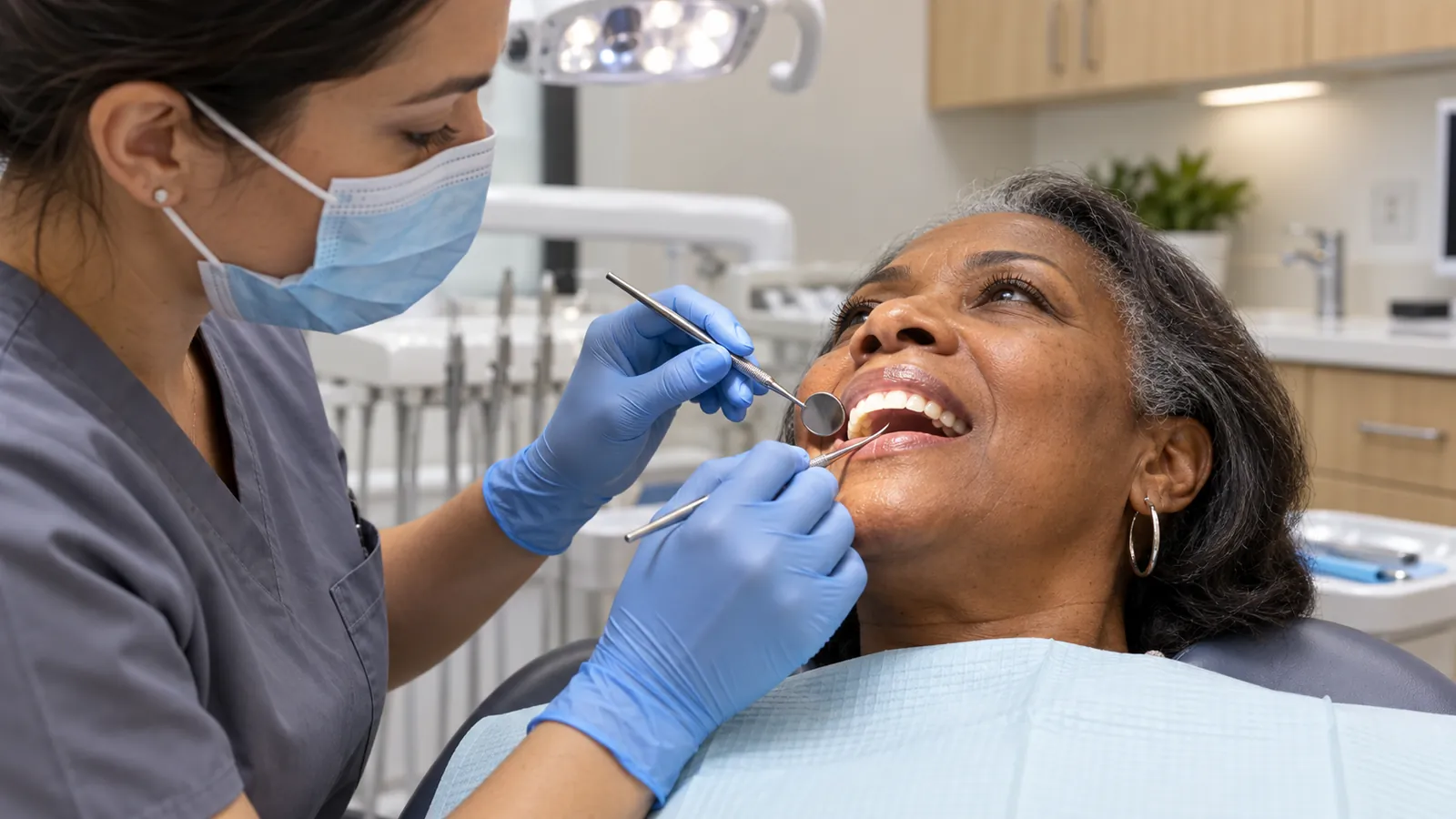
Implant dentistry planning considers the gums as well as the space left by a missing tooth. The dentist checks for inflammation, assesses the tissues and bone that will support the implant, and considers whether the future replacement can be kept clean. A history of gum disease may affect the plan, but it does not answer the suitability question on its own.
You may arrive wanting to discuss a replacement tooth and find that the first conversation is about your gums. That assessment helps establish what needs attention before treatment and what care would be needed afterward.
Why Gums Matter When Planning Dental Implants
An implant sits in bone and passes through the surrounding gum tissue to support a replacement tooth. Planning therefore needs to account for the health of both hard and soft tissues.
The American Academy of Periodontology's patient information on dental implants identifies healthy gum tissues, adequate bone and general oral health as relevant considerations. A gap that looks suitable at a glance may still need further investigation.
Gum health also matters beyond the proposed implant site. The condition of the remaining teeth and their supporting tissues helps the dentist understand your overall needs.
If gum disease contributed to tooth loss, tell the team what treatment you had and when the area was last reviewed. Bring previous periodontal records if they're available, but don't postpone asking for an assessment because you can't find them.
At Greenwood Park Dentistry in Kingston, dental implant planning can include discussion of those findings before a recommendation is made. The objective is to understand the mouth that would receive the implant, not just the tooth that would be replaced.
What a Gum Assessment Can Tell Your Dentist
A gum assessment helps distinguish inflammation from damage to the supporting tissues. These are related issues, but they are not identical.
Gingivitis refers to inflammation of the gums. Periodontitis involves loss of the tissues supporting teeth, including bone. The American Academy of Periodontology's gum disease guidance explains the distinction and notes that gum disease can be present without obvious discomfort.
The team may examine bleeding, gum recession, the spaces around teeth and other signs of support or inflammation. Imaging may be used where needed to assess bone. The exact checks depend on your history and clinical findings.
A single symptom or measurement does not tell you everything. Bleeding while brushing deserves attention, but it doesn't let you determine at home whether you have bone loss or whether an implant is possible.
Ask the dentist to explain which findings are current and which reflect previous disease. If old records are available, comparing them may help clarify what has changed.
Greenwood Park's information on periodontal care is a useful starting point for discussing gum-related findings and whether additional care or referral should be considered.
When Gum Treatment May Come Before Implant Placement
If the assessment identifies active gum problems, the dentist may recommend addressing them before proceeding with implant treatment. The sequence should follow your findings rather than a fixed rule applied to every patient.
You should understand what the preliminary care is intended to achieve. Is it aimed at controlling inflammation, treating disease around remaining teeth or clarifying whether the tissues are stable enough for the next stage?
Home care is part of the conversation, but brushing alone is not a substitute for professional treatment of periodontitis. Ask what care is recommended and how the response will be reviewed.
A review appointment can be a decision point rather than a promised surgery date. The dentist may need to reassess the tissues before confirming the next step.
Tell the team if a proposed routine is difficult because of sore areas, limited dexterity or uncertainty about a cleaning tool. The plan should include instructions you can actually carry out.
If another clinician's input is recommended, ask what question the referral is intended to answer. You should know who will coordinate the gum care, implant assessment and later maintenance.
How Bone and Soft Tissue Affect the Plan
Bone provides support for the implant, while the surrounding soft tissue is part of the environment around the restoration. Their condition can affect placement and care planning in different ways.
A recommendation for a bone procedure is not the same as a recommendation for gum tissue treatment. Ask which tissue needs attention and why.
Some patients may be assessed for additional procedures, such as grafting. That does not mean every missing tooth, history of bleeding or recessed gum requires a graft.
The clinician should explain the specific finding that leads to the recommendation. Ask what the additional procedure would change, what its risks are and how it would affect the overall sequence.
You should also understand the alternatives. If the proposed preparation is not suitable or does not fit your preferences, ask what other tooth-replacement approaches can be considered.
A favourable gum assessment alone does not guarantee implant suitability or success. Bone, bite, general health and other individual factors remain part of the discussion. The final recommendation needs to bring those findings together.
Keeping the Future Implant Restoration Clean
Cleaning access should be discussed before the restoration is finished. You need to be able to maintain the tissues around the implant, not only brush the visible replacement tooth.
Ask the dental team to show you the areas that would need cleaning and which tools suit the proposed design. A single implant crown and a larger implant-supported restoration may call for different techniques.
The broader periodontal and peri-implant disease classification framework recognizes conditions affecting tissues around implants as distinct clinical concerns. Having an artificial tooth does not eliminate the need to look after the surrounding gums and bone.
Inflammation around an implant can occur. Report bleeding, soreness, swelling or a change in how the area feels rather than treating those signs as an expected part of having an implant.
Maintenance should include professional review as well as home care. Ask how the team will monitor the tissues and what would lead to an earlier visit.
If you already find cleaning difficult around a bridge or other restoration, bring that up during planning. It is better to discuss access and practical limitations before choosing a design.
Don't assume that one cleaning tool will be appropriate for every implant or that a product can replace an assessment of persistent inflammation.
Questions to Bring to Your Implant Assessment
A useful consultation should explain what the gum findings mean for the next decision. You don't need to arrive knowing whether you have gingivitis or periodontitis.
Consider asking:
- What did the gum assessment show around my remaining teeth?
- Are there signs of active inflammation or previous loss of support?
- Does anything need treatment before an implant can be considered?
- How will you decide whether the tissues are ready for the next stage?
- Is any proposed graft for bone, soft tissue or both?
- How would I clean around the planned restoration?
- Who will provide follow-up care?
- What signs should prompt me to contact the office?
Bring an up-to-date medication list and mention changes in your general health. Tell the dentist about tobacco use and any previous periodontal treatment so those details can be considered.
Ask for an explanation of the whole proposed plan, including reassessment and maintenance. If several providers would be involved, clarify their roles and how information will be shared.
The aim is a plan you understand well enough to follow, including what remains uncertain and which decisions depend on the response to initial care.
Frequently Asked Questions
You can ask for an assessment. A history of gum disease is relevant to planning and ongoing care, but it does not decide suitability by itself. The dentist needs to examine the current tissues and discuss individual risks and options.
No. Bleeding is a reason to assess the gums, not a complete answer about implant suitability. Tell the dentist when and where it occurs so the cause and any necessary care can be investigated.
No. Grafting is considered only when the findings and proposed treatment indicate a need. Ask what tissue would be treated, why and what alternatives are available.
Yes. Tissues around implants can develop inflammation and need assessment and care. Report persistent bleeding, swelling or soreness rather than assuming an implant makes the area immune to gum problems.
The review interval depends on your history, findings and treatment plan. Ask the dental team to explain your schedule and which symptoms should bring you back sooner.
Discuss Your Gum Health and Implant Options
If you are considering an implant, contact Greenwood Park Dentistry in Kingston to discuss your gum health and tooth-replacement options.
Bring your treatment history and questions about cleaning and maintenance. Understanding the supporting tissues is part of deciding whether an implant, preliminary care or another approach is appropriate.